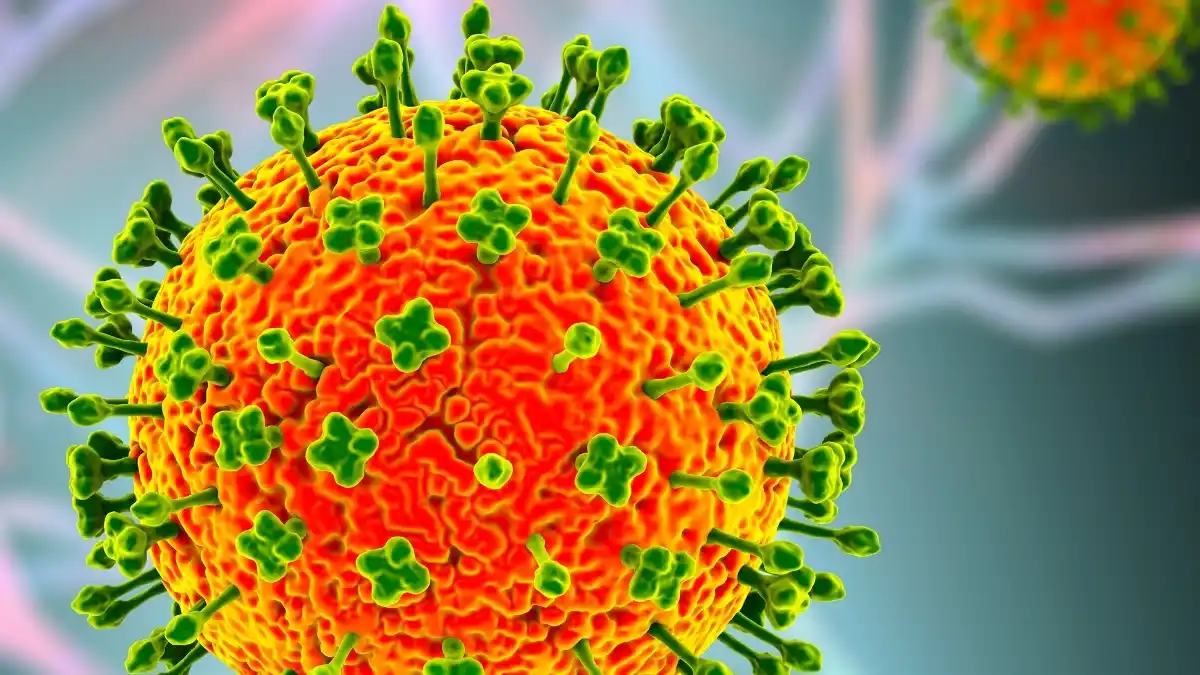
Nipah Virus Outbreak Puts Asia on High Alert After Deaths in India
Health authorities across Asia are on increased alert following a recent outbreak of the Nipah virus in India. The outbreak, which has resulted in multiple deaths in the eastern Indian state of West Bengal, has prompted neighboring countries to strengthen screening and monitoring measures.
Nipah virus is considered one of the most dangerous emerging infectious diseases due to its high fatality rate. While the number of cases remains limited, the severity of the virus has drawn international attention.
Here’s a clear and simple breakdown of what Nipah virus is, how it spreads, and how concerned the public should be.
What Is the Nipah Virus?
Nipah virus belongs to a group of viruses known as henipaviruses, the same family as Hendra virus. It is a zoonotic virus, meaning it can spread from animals to humans.
The virus was first identified in 1998 during an outbreak in Malaysia, where it was linked to infected pigs and fruit bats. Since then, sporadic outbreaks have occurred in parts of South and Southeast Asia, particularly in India and Bangladesh.
Fruit bats are considered the natural hosts of the virus.
How Does Nipah Virus Spread?
There are three primary transmission routes for Nipah virus.
1. Animal-to-Human Transmission
The virus can spread through direct contact with infected animals, especially fruit bats. Exposure to bat saliva, urine, or feces can lead to infection. In earlier outbreaks, pigs also played a role as intermediate hosts.
2. Food Contamination
Nipah virus has been linked to contaminated food products, particularly raw date palm sap. When bats feed on palm trees, their bodily fluids can contaminate the sap, which may then infect humans if consumed.
3. Human-to-Human Transmission
Although less common, Nipah virus can spread between people through close contact. This typically occurs when caring for an infected person, especially through exposure to bodily fluids in households or healthcare settings.
What Are the Symptoms?
Symptoms of Nipah virus infection usually appear between four days and three weeks after exposure.
Early symptoms may include:
-
Fever
-
Headache
-
Muscle pain
-
Fatigue
As the infection progresses, it can become severe. The most serious complications involve the brain.
Severe Symptoms Can Include:
-
Difficulty breathing
-
Seizures
-
Loss of consciousness
-
Inflammation of the brain (encephalitis)
-
Confusion or personality changes
-
Loss of movement or coordination
In severe cases, the fatality rate can range between 40% and 75%, making Nipah one of the deadliest known viruses.
Some survivors may experience relapsed encephalitis years after recovery, which is unusual among viral infections.
Is There a Treatment or Vaccine?
Currently, there is no approved vaccine or specific treatment for Nipah virus.
However, researchers are working on potential therapies. One experimental treatment, known as m102.4, has undergone early-stage clinical trials. A Phase 1 study published in 2020 showed that the treatment was well tolerated in healthy volunteers.
While promising, this treatment is still under development and not yet widely available.
For now, care focuses on:
-
Managing symptoms
-
Providing respiratory support
-
Preventing complications
How Concerned Should People Be?
The outbreak is serious, especially for affected regions, but it is important to keep the risk in perspective.
Nipah virus does not spread easily from person to person. Most infections are linked to animal exposure or contaminated food, which limits its ability to cause widespread outbreaks like COVID-19.
For people living outside affected areas, the risk is considered low. Even within affected regions, public health authorities have implemented containment measures such as isolation, contact tracing, and increased surveillance.
Anyone who becomes unwell after traveling to an affected area should inform their healthcare provider and mention their travel history.
Putting the Risk Into Context
New virus outbreaks are reported regularly around the world. While Nipah virus is dangerous, it remains relatively rare and closely monitored by global health organizations.
For most people, especially those outside South Asia, awareness is sufficient. Basic precautions, safe food practices, and following public health guidance remain the best defenses.
Final Thoughts
The Nipah virus outbreak in India has understandably raised concerns across Asia. Its high fatality rate makes it a virus worth watching, but limited transmission means it is unlikely to become a global public health crisis.
Continued surveillance, research, and public awareness are essential. As science advances, treatments and preventive measures are expected to improve.
Staying informed without panic is the key.
This article is republished from The Conversation under a Creative Commons license. Read the original article.