They Said They Weren’t Close to Epstein. New Documents Suggest Otherwise
For years after Jeffrey Epstein’s arrest in 2019 and his death in federal custody, many prominent figures insisted their association with him was distant, brief, or purely professional. Some described their encounters as uncomfortable. Others claimed they cut ties early or were unaware of his criminal behavior.
Newly released records from the U.S. Justice Department are now challenging those claims.
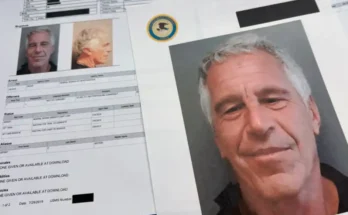
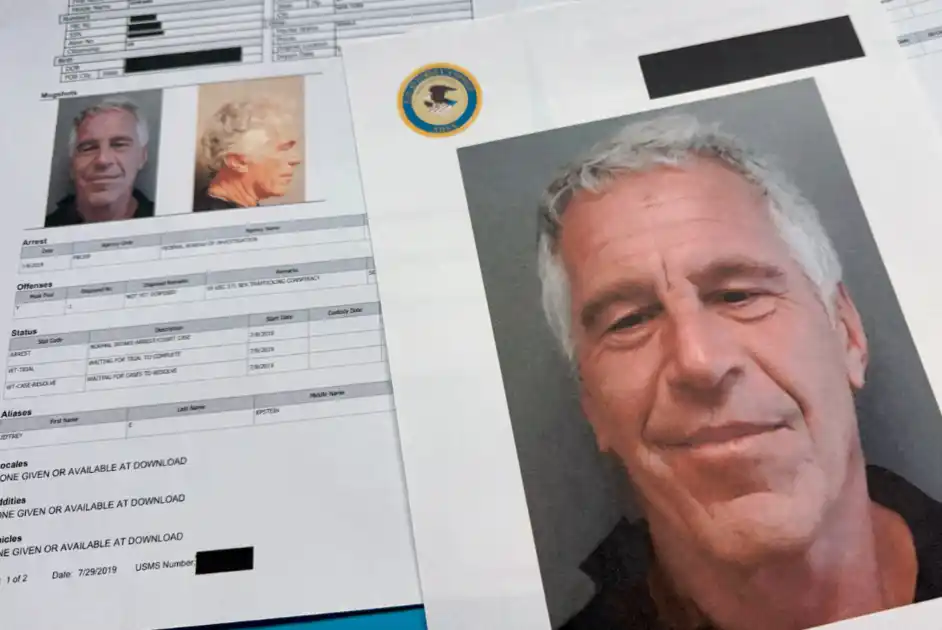
The disclosure of nearly three million pages of Epstein-related documents offers a more detailed look at the depth and persistence of his relationships with some of the world’s most powerful individuals. While the files do not change the public understanding of Epstein’s crimes, they reveal ongoing social, financial, and personal interactions that continued long after he became a convicted sex offender in 2008.
A Pattern of Distance and Denial
After Epstein’s downfall, many former associates moved quickly to publicly distance themselves. Common explanations included:
-
Minimal contact
-
A strictly business relationship
-
Discomfort that led to cutting ties
-
Lack of knowledge about Epstein’s abuse
The newly released documents, however, paint a more complex picture. They include emails, scheduling messages, financial records, and testimony that suggest friendly exchanges, invitations, and ongoing engagement across business, political, and social circles.
Prominent Names, Renewed Scrutiny

Elon Musk
Elon Musk previously stated that he refused invitations to Epstein’s private island. However, a 2012 email revealed in the latest document release shows Musk asking Epstein:
“What day/night will be the wildest party on your island?”
Musk later clarified publicly that he declined repeated invitations and warned that limited correspondence could be misinterpreted.
Howard Lutnick
Howard Lutnick, now serving as U.S. Secretary of Commerce, once described a mid-2000s visit to Epstein’s Manhattan mansion as deeply disturbing. Yet emails from 2012 show arrangements for a family visit to Epstein’s private island. Lutnick has since stated that he spent “zero time” with Epstein.
Kathy Ruemmler
A former White House counsel and current general counsel at Goldman Sachs, Kathy Ruemmler acknowledged providing Epstein with professional services. Newly released emails show discussions of meetings, gift deliveries, and references to “the girls,” which her representatives later said referred to a client and her daughters.
Richard Branson
Email correspondence from 2013 suggested a familiar tone between Epstein and Virgin Group founder Richard Branson. Branson’s representatives emphasized that their interaction was limited to a business meeting and that the women referenced were adults.
Andrew Farkas
Real estate developer Andrew Farkas co-owned a marina with Epstein for years. Although he has described their relationship as strictly business, documents include personal emails exchanged after Epstein’s conviction, including affectionate language and evidence of stays on Epstein’s island.
Peter Thiel
An investment firm co-founded by tech billionaire Peter Thiel accepted $40 million from Epstein. Emails show correspondence between the two for several years. Thiel’s representatives stated he never visited Epstein’s island.
Why These Connections Mattered
Testimony and investigative records have long suggested that Epstein’s access to powerful people was not incidental. According to victim accounts:
-
Epstein displayed photographs with famous individuals in his home
-
He discussed his elite connections openly
-
Victims were sometimes brought to social events with influential guests
These associations served as a tool of intimidation and credibility, reinforcing Epstein’s control and discouraging victims from coming forward.
Financial Entanglements and Oversight
One of the most notable revelations involves billionaire financier Leon Black. While Black has said his relationship with Epstein was limited to tax and estate planning, documents show:
-
Payments exceeding $600,000 to women connected to Epstein
-
Surveillance discussions involving individuals in Black’s personal life
Black has stated he was unaware of Epstein’s misconduct at the time and expressed deep regret over their association.
What the Documents Do and Do Not Prove
It is important to note:
-
The documents do not accuse new individuals of crimes
-
They do not change Epstein’s criminal record
-
They do reveal inconsistencies between public statements and private communications
The significance lies in transparency, not new allegations.
Why This Matters Now
The continued release of Epstein-related documents highlights broader questions about:
-
Accountability among the powerful
-
How influence can shield wrongdoing
-
Why warnings were ignored for so long
The records also demonstrate how deeply Epstein embedded himself within elite networks, even after his conviction.
Final Thoughts
Jeffrey Epstein’s crimes are well-documented and universally condemned. What continues to emerge, years later, is a clearer understanding of how he maintained access, protection, and legitimacy through relationships with influential figures across industries.
These documents do not rewrite history, but they do add critical context. They remind the public that power, proximity, and silence often intersect in ways that allow abuse to persist unchecked.
Transparency may not undo past harm, but it remains essential for accountability.