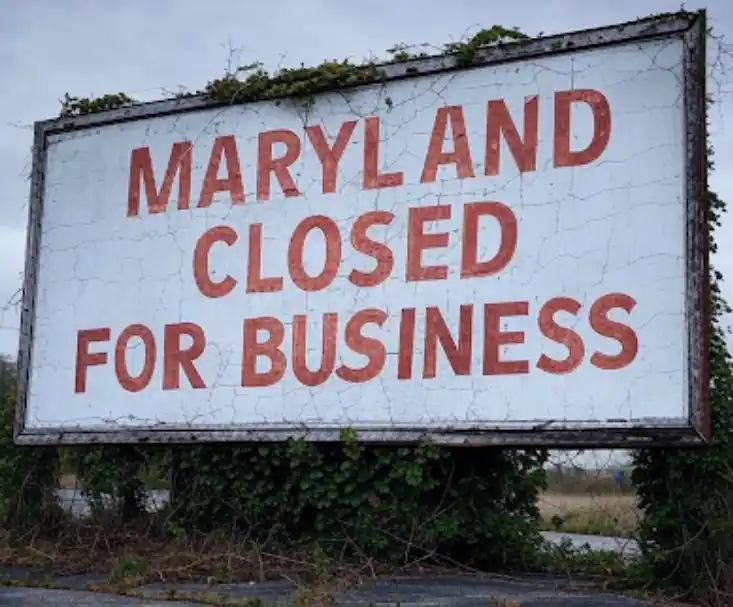
Maryland Ranked Among Worst States to Start a Business, Study Finds
Maryland has been ranked as one of the most difficult states in the United States for starting a business, according to a recent study by WalletHub. The report placed Maryland near the bottom nationally, with Rhode Island ranked last overall.
The ranking adds to a series of recent reports highlighting economic challenges in the state. Separate research has placed Maryland low in tax competitiveness and mid-to-lower range in retirement friendliness, reflecting broader concerns about affordability and long-term growth.
Key Factors Behind the Ranking
The study evaluated states using multiple indicators tied to entrepreneurship and business growth. Maryland scored lower in several major areas, including:
-
Overall business environment
-
Startup growth trends
-
Job creation levels
-
Industry diversity
-
Business survival rates
-
Number of fast-growing firms
These metrics help measure how easily new companies can launch and sustain operations over time.
Cost of Doing Business a Major Challenge
One of the biggest contributors to Maryland’s ranking was the cost of operating a business. Researchers considered:
-
State and local taxes
-
Cost of living
-
Office and commercial space prices
-
Labor and payroll expenses
-
Employer-sponsored health insurance costs
-
Corporate tax structure
Higher overall expenses can make it harder for startups to compete, especially in their early stages.
Access to Talent and Capital
The study also reviewed access to skilled workers and financial resources. This included:
-
Venture capital investment activity
-
University and workforce strength
-
Growth of the working-age population
While Maryland benefits from strong education institutions, the pace of workforce expansion and funding access were factors in the overall ranking.
How Other States Compare
According to the same study, states that ranked among the most favorable for starting a business include:
-
Florida
-
Utah
-
Texas
-
Oklahoma
-
Idaho
-
Mississippi
-
Georgia
-
Indiana
-
Nevada
-
California
These states performed better in areas such as cost, growth potential, and entrepreneurial activity.
What This Means for Entrepreneurs
Rankings like these do not mean businesses cannot succeed in Maryland. Instead, they highlight structural challenges that entrepreneurs may need to plan around, such as higher operating costs and competitive markets.
For new business owners, understanding local expenses, workforce trends, and funding opportunities can make a significant difference in long-term success.
The Bigger Economic Picture
Across the United States, states compete to attract startups and small businesses through tax incentives, workforce programs, and infrastructure investments. Reports like this often shape policy discussions and economic development strategies.
Maryland remains home to major industries, research institutions, and federal partnerships, but the study suggests improvements may be needed to strengthen the startup environment.