Montgomery County Property Taxes Now Exceed Mortgage Payments for Many Homeowners
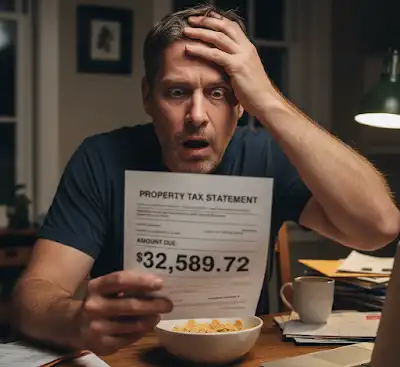
For a growing number of homeowners in Montgomery County, property taxes are no longer just another annual expense. In some cases, they are now higher than monthly mortgage payments, creating new financial pressure for residents and raising broader questions about housing affordability.
What once seemed unlikely has become a reality for many households, especially those who purchased homes years ago at lower prices but now face significantly higher property assessments and tax bills.
When Property Taxes Become the Largest Housing Cost
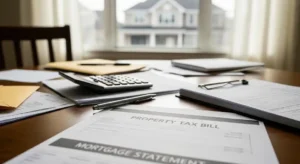
Traditionally, mortgage payments have been the biggest financial obligation tied to homeownership. Property taxes were considered manageable and predictable. That balance has shifted.
Some homeowners report that rising tax assessments and annual increases have pushed property tax bills above their mortgage payments, particularly for:
-
Long-term homeowners with fixed mortgages
-
Retirees living on limited income
-
Residents in areas with rapid property value growth
This trend has made it harder for some people to remain in their homes long term.
What’s Driving the Increase
Several factors are contributing to higher property taxes across the county:
1. Rising Home Values
As real estate prices increase, assessed values often follow. Higher assessments typically lead to higher taxes.
2. Budget and Revenue Needs
Local governments rely on property taxes to fund schools, infrastructure, emergency services, and community programs. When expenses rise, tax revenues often rise as well.
3. Assessment Adjustments
Some homeowners say recent assessments appear more closely aligned with market value than in previous years, leading to noticeable increases even without renovations or property changes.
4. Limited Rate Reductions
In many years, tax rates have remained steady or increased slightly, which compounds the impact of rising assessments.
Related Article:
➡️ The Most Expensive Things in the U.S. in 2026: From Everyday Costs to Ultra-Luxury Extremes
Homeowner Concerns and Challenges
The financial impact varies, but common concerns include:
-
Difficulty budgeting for unpredictable increases
-
Concerns about aging in place on fixed income
-
Frustration over repeated assessment appeals
-
Perception that tax growth is outpacing wage growth
Some residents say they have challenged property valuations but found the process difficult or unsuccessful.
The Broader Housing Affordability Issue
The issue reflects a wider trend seen in many parts of the United States. As home values rise, property taxes follow, making ownership more expensive over time.
This creates a complex situation:
-
Rising values increase homeowner equity
-
But higher taxes increase monthly and annual costs
For new buyers, this raises the total cost of entering the housing market. For long-time homeowners, it affects financial stability.
Local Economy and Development Pressures
Economic development also plays a role in tax policy discussions. Communities often try to balance:
-
Attracting businesses and jobs
-
Funding public services
-
Maintaining affordability for residents
Some residents believe tax policy should do more to support homeowners, while others emphasize the importance of funding schools, transportation, and public programs.
Assessments and Appeals
Property assessments are a major factor in determining tax bills. When assessed values rise sharply, homeowners may feel the increases do not reflect the condition of their homes.
Common concerns include:
-
Assessments increasing without renovations
-
Market-driven pricing impacting long-term residents
-
Appeals being time-consuming or difficult
Experts recommend homeowners review assessments carefully and use official appeal channels if they believe valuations are inaccurate.
A Regional Trend, Not Just Local
Montgomery County is not alone. Across the country, property taxes have increased in areas experiencing:
-
Rapid population growth
-
Strong real estate markets
-
Higher municipal costs
This has sparked wider discussions about balancing government funding with homeowner affordability.
What Happens Next
With housing costs continuing to rise nationwide, property taxes will remain a key issue for both homeowners and policymakers. The challenge lies in finding solutions that:
-
Maintain essential services
-
Support sustainable growth
-
Protect residents from excessive financial strain
For many homeowners, the goal is simple: stability and predictability in long-term housing costs.