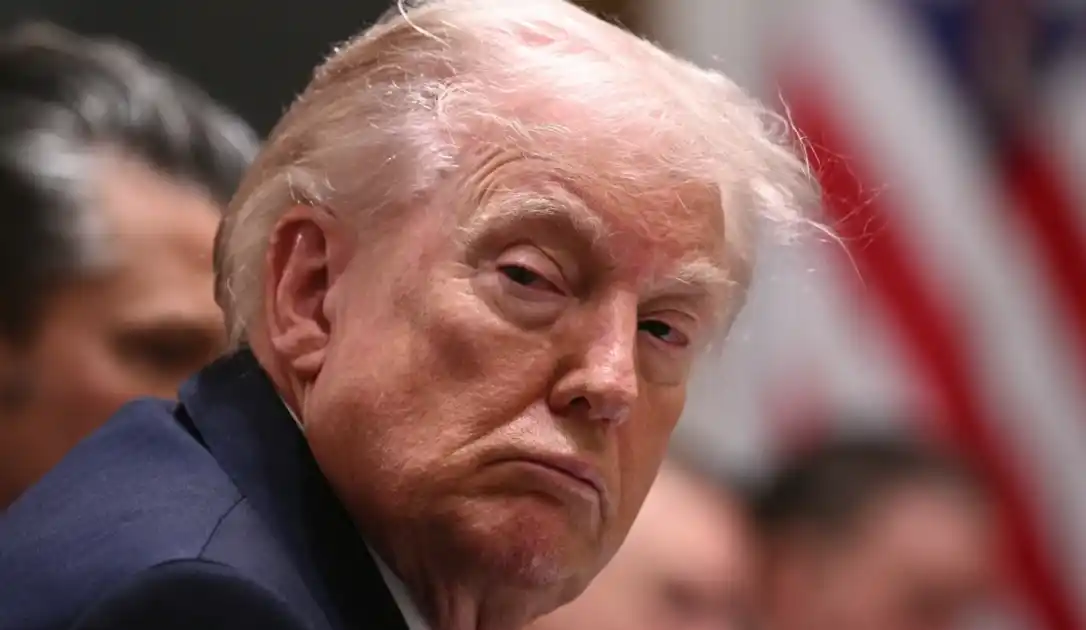
Trump, Two Sons, and Trump Organization Sue IRS and Treasury Over Tax Records Leak
Former U.S. President Donald Trump, along with his two eldest sons and the Trump Organization, has filed a massive lawsuit against the Internal Revenue Service and the U.S. Treasury Department. The case centers on the alleged leak of highly confidential tax records and seeks at least $10 billion in damages.
The lawsuit was filed in federal court in Miami and adds another high-profile legal chapter to Trump’s long-running disputes with U.S. government agencies.
Who Is Involved in the Lawsuit?
The plaintiffs in the case include:
-
Donald Trump
-
Donald Trump Jr.
-
Eric Trump
-
The Trump Organization
The Trump Organization is currently managed by Donald Trump Jr. and Eric Trump.
The defendants named in the lawsuit are:
-
The Internal Revenue Service (IRS)
-
The U.S. Treasury Department
What Is the Lawsuit Alleging?
According to the complaint, the IRS and Treasury failed to protect confidential taxpayer information. The lawsuit claims that a former IRS contractor unlawfully accessed and leaked Trump’s tax records during 2019 and 2020.
The plaintiffs argue that these agencies had a legal responsibility to safeguard sensitive data and failed to prevent the disclosure.
The Role of the Former IRS Contractor
At the center of the case is Charles “Chaz” Littlejohn, a former contractor who worked with the IRS through a consulting firm.
Littlejohn pleaded guilty in October 2023 to illegally disclosing tax return information. He is currently serving a five-year federal prison sentence.
Court filings and previous admissions confirm that Littlejohn leaked tax records belonging to Donald Trump to major news organizations, including The New York Times and ProPublica. He also admitted to leaking tax data related to other wealthy individuals.
Claims of Reputational and Financial Harm
The lawsuit argues that the release of these records caused serious damage, including:
-
Harm to personal and business reputations
-
Public embarrassment
-
Financial losses
-
Long-term impact on public perception
The filing states that the reporting based on the leaked records unfairly portrayed Trump and his businesses in a negative light and relied on interpretations that the plaintiffs strongly dispute.
Dispute Over Media Reporting
The lawsuit also challenges how the leaked tax information was presented in media reports. It claims that some coverage suggested wrongdoing or inconsistencies without definitive proof.
The complaint argues that such reporting amplified the damage caused by the original leak and contributed to lasting reputational harm.
Treasury Department Response and Contract Cancellations
Just days before the lawsuit was filed, Treasury Secretary Scott Bessent announced that the department had canceled all contracts with the consulting firm connected to Littlejohn.
This move followed internal reviews related to the data breach and added further attention to the case.
Why This Lawsuit Is Unusual
Legal experts note that it is extremely rare for a sitting or former president to sue federal agencies connected to their own administration. The $10 billion damages claim is also unusually large, raising questions about legal standards and government liability.
However, Trump has previously pursued large compensation claims against government departments, signaling a consistent legal strategy.
What Happens Next?
The case is now in the early stages and is expected to move slowly through federal court. Key questions include:
-
Whether the government can be held financially liable for the actions of a contractor
-
How damages, if any, would be calculated
-
What legal precedents may apply
The outcome could have broader implications for how federal agencies handle sensitive taxpayer data in the future.
Final Thoughts
This lawsuit highlights ongoing concerns about data security, government accountability, and privacy protections at the federal level. While the legal battle is far from over, the case has already drawn national attention due to the high-profile figures involved and the extraordinary financial claim.
As the court process unfolds, the case may shape future discussions around taxpayer privacy and the responsibility of government agencies to protect confidential information.